Culture is the Catalyst: Strong Culture Isn’t About Sameness. It’s About Alignment.
By Tony Barrett | May 29, 2026
Some of the strongest cultures aren’t built by making everyone think, act, or operate the same way. They’re built by aligning different strengths around a mission that matters.
That idea came into focus for me while attending Memorial Day ceremonies in my area. The purpose of those ceremonies was solemn and specific. We gathered to honor the men and women who gave their lives in service to our country and to stand with the families who continue to carry that loss.
But as I watched service members, veterans, families, and community members come together, I also saw a powerful leadership lesson.
Every branch of service has its own culture. Each has its own language, traditions, expectations, rhythms, and identity. Those differences aren’t accidental. They’re shaped by the missions each branch serves and the environments where they operate.
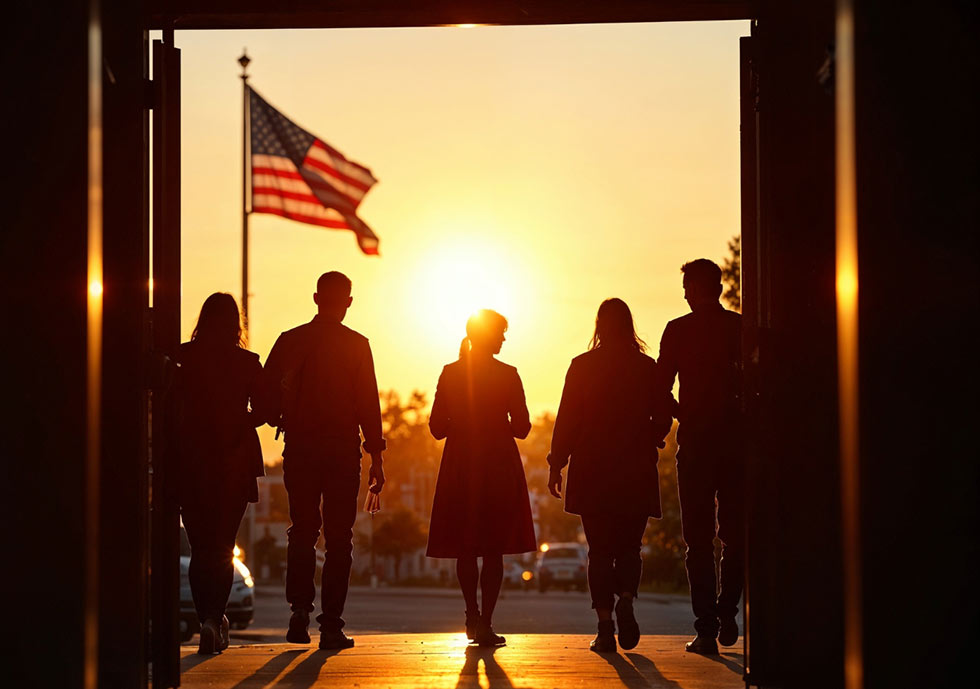
The Army, Marine Corps, Navy, Air Force, Space Force, and Coast Guard each prepare people for different demands. Their cultures reflect what their missions require. Each one is distinct because each mission is distinct.
Yet when those cultures come together around a shared purpose, they don’t lose what makes them different. They become stronger because of it.
That’s the larger lesson for any organization trying to build a culture capable of supporting complex, meaningful work.
Different Cultures Can Strengthen One Mission
At the ceremonies I attended, the pride of each service branch was easy to see.
Veterans stood a little taller when their branch was recognized. Families responded to familiar songs, symbols, and traditions. People who had served in different places, at different times, and under different circumstances were connected by a shared understanding of what the moment required.
The service cultures didn’t disappear. They were still visible in the uniforms, hats, stories, posture, and quiet pride people carried with them. But they weren’t competing for attention. They were contributing to something larger.
That shared purpose mattered more than any one branch, generation, uniform, or personal story.
No single branch owns the responsibility of honoring the fallen. No single service culture can fully carry the meaning of remembrance on its own. But together, those cultures create something deeply powerful.
They bring together tradition, discipline, sacrifice, grief, gratitude, pride, and national memory. The result is an aggregate culture that’s stronger because each group brings something meaningful to it.
That’s one of the most important lessons leaders can take from moments like this. Culture doesn’t have to be uniform to be strong. In fact, some of the most powerful cultures are formed when different groups bring their best qualities together in service of a shared mission.
Culture Lasts Because People Carry It
Another thing I noticed was how strongly service culture remains with people after they leave uniform.
Many veterans were present at the ceremonies. Some had served recently. Others had served decades ago. Their active service had ended, but the culture of their branch was still part of how they carried themselves, how they connected with others, and how they understood the meaning of the day.
That’s because culture doesn’t simply live inside an institution. It lives in people.
Culture shapes how people think, lead, communicate, serve, and respond to responsibility. It influences how they show up under pressure, how they support others, and how they define commitment.
The uniform may come off, but the culture often remains.
For many veterans, it becomes part of how they lead their families, build their careers, serve their communities, and support the people around them.
That’s why culture matters so much. When it’s strong, it does more than guide behavior in a single moment. It creates a lasting impact that people carry forward.
Alignment Is More Powerful Than Sameness
In organizations, we often talk about culture as though it’s one singular thing. But most organizations are made up of many cultures working at once.
Teams develop their own habits. Departments have their own rhythms. Leaders bring different styles. Employees bring different experiences. Customers and partners bring their own pressures, expectations, and ways of working.
Those differences can create friction when they’re disconnected from a larger purpose. But when they’re aligned, they become a source of strength.
The goal of leadership isn’t to erase those differences. It’s to understand what each group contributes, recognize the strengths that matter, and align those strengths toward the mission.
That’s what I saw reflected in that moment of shared remembrance.
Different branches. Different generations. Different stories. Different forms of service. All coming together around one purpose.
The real power of culture comes from bringing the most effective parts of multiple cultures together to accomplish something no single team, function, or group could accomplish as well alone.
That’s true in the military. It’s true in communities. It’s true in business.
Strong culture isn’t about sameness. It’s about alignment.
People Create Culture, Leaders Champion It
Culture isn’t created by a slogan, a slide deck, a handbook, or a statement on a wall. Those things can help explain culture, but they don’t create it.
People create culture through the choices they make every day. It shows up in how they treat one another, what they prioritize, what they protect, what they tolerate, and what they celebrate.
Leaders have a responsibility to champion the cultural traits needed to achieve the organization’s goals. That responsibility matters because culture is never static.
Culture is a living, breathing organism. It changes as people change. It changes as organizations grow. It changes as missions evolve, markets shift, customer needs become more complex, and new challenges emerge.
The question isn’t whether culture will change. It will.
The more important question is whether leaders will guide that evolution with intention.
When leaders are passive, culture still evolves, but it may drift away from what the organization needs. When leaders are intentional, culture can become stronger, more aligned, and more capable of helping people deliver meaningful outcomes.
That doesn’t mean leaders control culture by force. It means they listen carefully, communicate clearly, model the right behaviors, and empower the people who make the mission possible.
Culture shouldn’t only be harnessed. It should be empowered.
Culture as the Catalyst
At Allyon, we believe people achieve missions.
That belief is central to how we think about our work, our customers, our partners, and our employees. Mission success depends on people who are supported, heard, understood, and equipped to do meaningful work with confidence.
Culture helps make that possible.
A strong culture builds trust. It creates alignment. It helps people understand not only what they’re doing, but why it matters. It allows teams with different strengths, responsibilities, and experiences to work together in support of something larger than themselves.
That’s why culture is the catalyst.
It turns people, capabilities, and purpose into action. It helps individuals become teams. It helps teams become partners. It helps partners move missions forward with confidence.
The military offers a powerful reminder that the strongest cultures aren’t always singular. Sometimes, the strongest culture is the one that forms when different cultures bring their best qualities together in service of a common goal.
That’s true in the military. It’s true in communities. It’s true in organizations.
When leaders can identify, celebrate, and empower the aggregate culture needed to achieve a shared goal, they unlock something far greater than individual excellence. They create shared purpose.
And when shared purpose is supported by leaders who understand their responsibility to people and mission, culture becomes more than a reflection of who we are.
It becomes the catalyst for what we can accomplish.
###
About the Series
Culture is the Catalyst is a leadership series grounded in a simple, fundamental belief that has shaped Allyon President and Chief Strategy Officer Tony Barrett’s approach to leadership both as a retired U.S. Marine and throughout his extensive career in the GovCon industry. The premise is simple: mission success is not driven by chance, tools, or individual effort alone. It is shaped by culture long before execution begins.
Through real world examples and lived experience, Tony explores how intentional culture creates clarity, trust, and alignment when pressure is highest. Because when people are supported, prepared, and connected, they perform at their best when it matters most.